
Tesla EU CO2 pool only narrowly achieved 2025 compliance

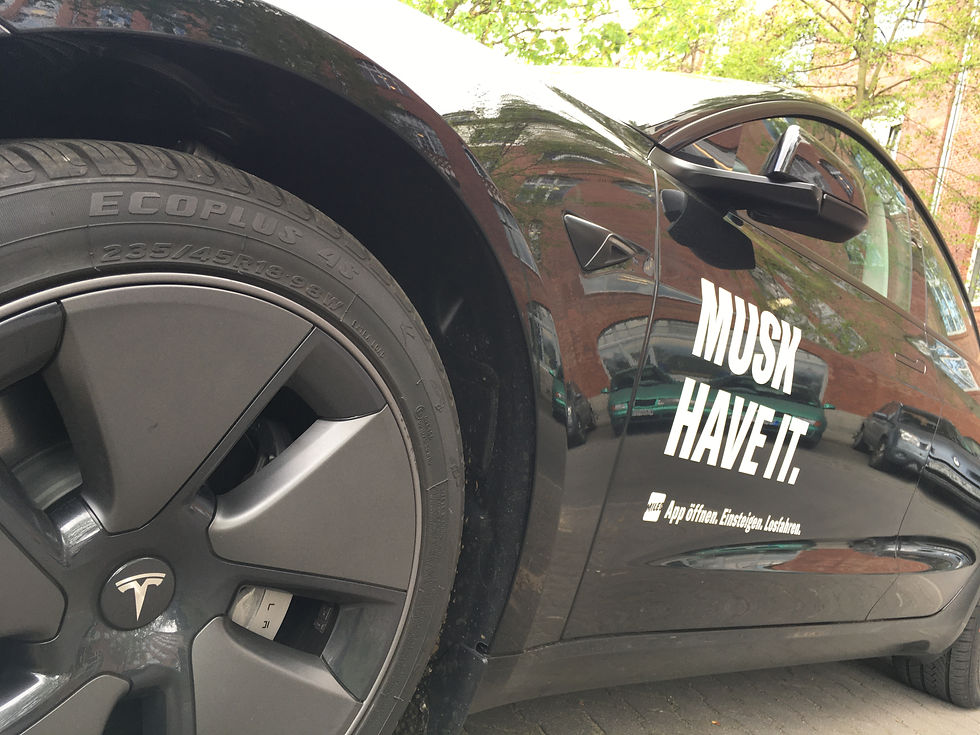
The latest 2025 EU CO2 fleet emissions data reveal that Tesla's 2025 combined CO2 pool, which included the likes of Toyota, Ford, Subaru, Mazda, Stellantis, Honda and Suzuki, only just did enough to meet compliance requirements during 2025 according to Schmidt Automotive Research and EEA data, which was set at an average of 93.6g/km during 2025 prior to a three-year banking and borrowing adjustment being implemented during the year.
The joint pool achieved a pool average of 90.9g/km during 2025, according to European Environment Agency data monitored by the European Electric Cat Study, indicating the limits Tesla can stretch to in achieving substantial regulatory credits.
Meanwhile, Mazda made a last-minute adjustment to pool part of its business with its Chinese JV, Changan.
During 2025, Tesla's regulatory credits revenue reached $1.9bn worldwide, which includes China and the US.
In 2026, Toyota and Stellantis departed the pool at this stage, with Toyota introducing more BEVs and PHEVs, while Stellantis benefits from the extended rollout of plug-ins from its Leapmotor JV across the EU. In turn, Tesla’s revenue from pooling is expected to decline over the next 12 months.
Regulatory guidelines across the US are in parallel increasingly being diluted.
Tesla's latest Q1 2026 regulatory credits totalled $542 million, compared with $692 million in the same period last year, according to the US company. Meanwhile, the likes of Chinese OEMs have seen CO2 fleet emissions rise steeply as they have mitigated away from BEV-impacted anti-subsidy tariffs to other drivetrains.
SAIC saw its EU emissions rise to 97.6g/km in 2025, with three in four of its registrations now being non-electrified petrol models.
While BYD, which delivers plug-ins exclusively, is increasingly delivering a higher proportion of PHEVs to also mitigate against the tariffs placed on BEVs-only for now.
Its emissions rose to just over 10g/km.
However, with a utility factor change for PHEVs inflating data for plug-in hybrids from 2026 and scheduled to rise further in 2027, BYD, which accommodated Nissan in its pool (76.6g/km) during 2025, is set to see its emissions rise further going forward.
This includes extracts from one of our full studies which are available below. To discover more about out studies just contact us
Scope: Western Europe's 18 Markets: EU Member States prior to the 2004 enlargement, plus EFTA markets Norway, Switzerland, Iceland, plus UK – accounting for 90% of the enlarged European region.


Comments